
MASCHIO 903 TYPICAL WHITE
Dedicated to Bonaventura Maschio, founder of the Gaiarine company, born in 1903, whose research and work have constituted a milestone in the field of distillation.
His method is proposed here, according to a perfect balance of different pomace, distilled in special copper stills.
Bouquet: intense fruity and floral with notes of apple and aromatic herbs.
Taste: full and complex.
Grappa is a drink that can be classified among spirits. Being distilled, it does not have the few nutritional advantages of fermented beverages (especially wine), such as the antioxidant content. At the same time, the intake of ethyl alcohol is very high and requires an extremely low consumption.
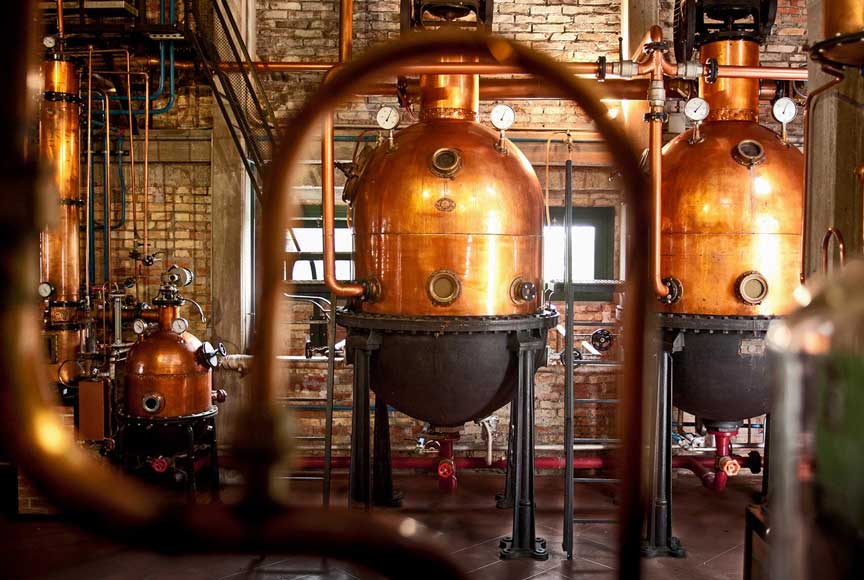
Grappa is an alcoholic product obtained from the reuse of wine processing waste. However, to obtain a grappa with the right organoleptic and gustatory characteristics, certain molecules typical of red grape skins must be present.
Grappa is defined as white when, at the end of the distillation processes, after a period of "rest" it is decanted into steel or glass containers.
This type of grappa does not undergo any aging in wood, which is why it brings with it only the aromas deriving from the grape variety used at the start.
Grappa is produced through a series of consecutive, irreplaceable and non-reversible operations, ranging from ensiling to bottling.

After the ensiling of the marcs and their pressing after separation from the must, they are stored in a cement or iron silo.
Distillation follows, which allows to separate the volatile components (including water and alcohol). These, evaporated with the heat, are selected and recondensed separately with the cold.
A further step is rectification, that is the process that allows you to keep the valuable components and eliminate (or reduce to the right point) the unwanted and / or harmful ones.
Must
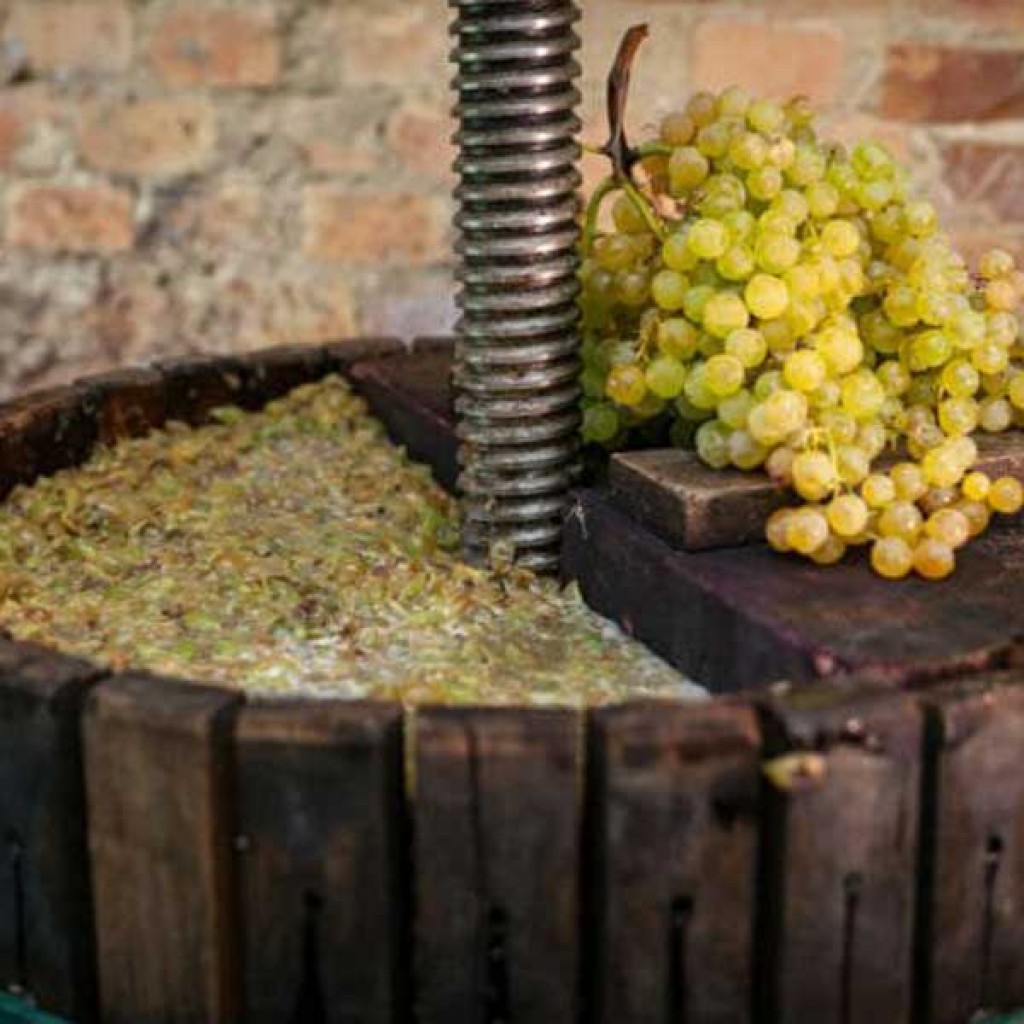
Also called "white fermentation" is a winemaking technique that involves the immediate separation of the must from the skins, without maceration taking place. With this system it is possible to obtain white wines also from dark-skinned grapes.
Terpenes
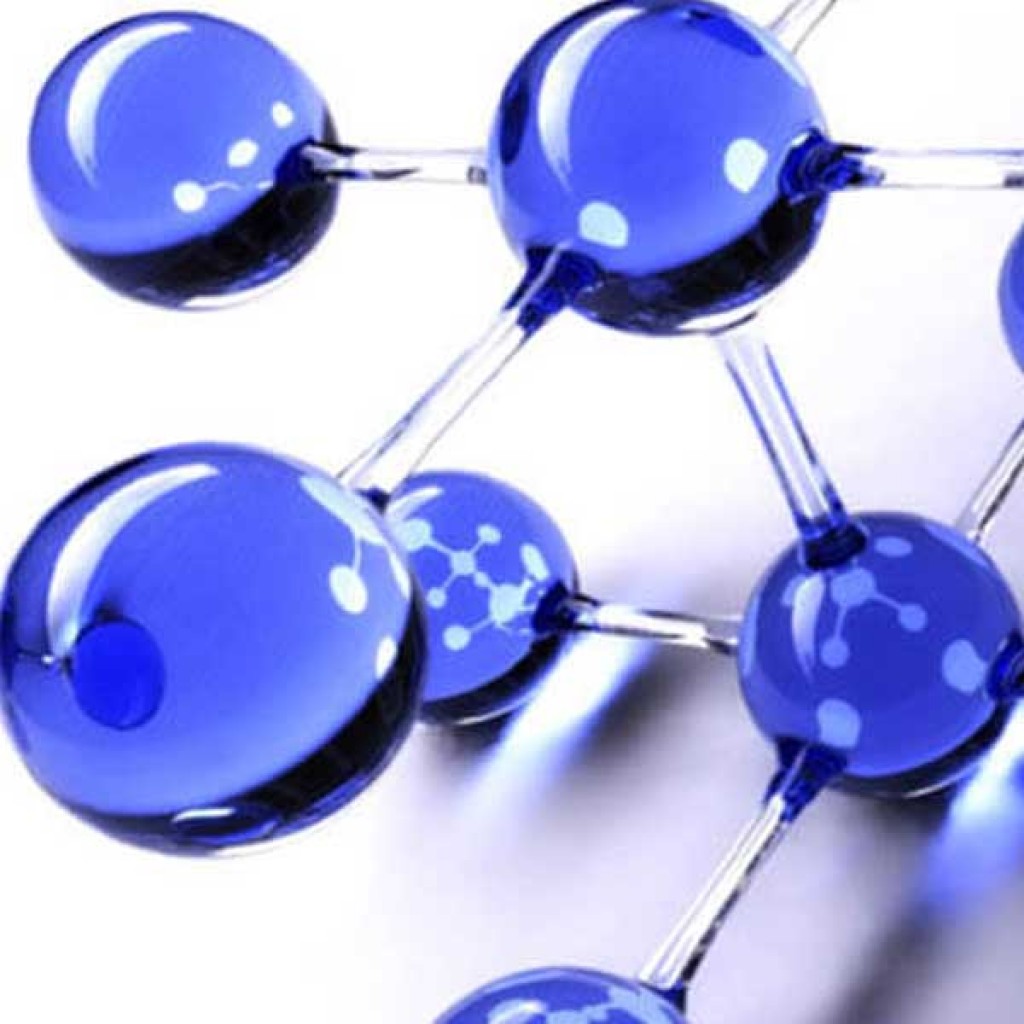
Combinations of carbon and hydrogen atoms, the terpenes pass to grappa from the pomace through distillation and give rise to a marked series of aromas and are found with greater concertations in grappas from grape to aromatic fruit.
Acids

They are organic acids that are formed during alcoholic fermentation and ensiling of the marc. Acetic acid. In modest quantities, they help to strengthen the aggressiveness of alcohol on the tongue and benefit the taste and its scent.
Foreign

Important for their organoleptic effect. They are formed from the combination of an acid with alcohol. They play a fundamental role in the formation of the bouquet because they are responsible for pleasant olfactory and taste-olfactory sensations.
Alcohols

Alcohols are formed during alcoholic fermentation and ensiling of the marc. From a sensorial point of view they are very important: they give grappa its vegetal scents and, by marrying the acids, they give rise to esters with a fruity aroma.



About
Us

Superb Partonopean interpretation of pizza! Characteristic, tasty and melt-in-your-mouth dough, as well as great care of the raw materials! Congratulations also to the kindness and professionalism of the owners and staff.

I've tried several Neapolitan pizzas in Milan but the taste of this buffalo mozzarella beats them all! New and welcoming place, friendly and helpful staff. Well done!

Well-kept environment, excellent service and the Pizzas what wonders.

After reading the reviews and hearing the opinions of my friends, I decided to try this place that many told me about. I was already thinking of finding a welcoming and pleasant environment but, above all, a place where you could eat a good and real Neapolitan Pizza in Milan; well expectations definitely exceeded! Friendly staff, well-kept restaurant, excellent pizza! Highly recommended!

Fantastic pizza among the best in Milan. Try the San Gennaro. Friendly helpful staff and new and clean place. To come, super.

Spectacular pizzeria, a real find! Delicious pizza, high quality ingredients and perfect dough. A real Neapolitan pizza, I absolutely recommend trying all the pizzas !! Prices in the norm. Very nice staff. We will definitely be going back.

Typical Neapolitan pizza, superlative taste and ingredients. We also tasted some really good typical Neapolitan appetizers! Marco and Sara two kind people and always with a smile, absolutely to try!

Very good pizza indeed I would say excellent sweet pastiera ... not to be missed .. limoncello offered, the rest of the menu looks very good we will be back to try it.

For all lovers of true Neapolitan pizza made by Marco, an authentic Neapolitan pizza maker, who, like an artist, doses all the ingredients and cooking times with wisdom and with love for tradition. A delight for the palate and the soul. Absolutely not to be missed.

Tasty Neapolitan pizza, Marco is a true professional and a welcoming and clean host, the most famous Margherita is digestible and tasty.

A pizza that really deserves it! Excellent dough and perfect combination of ingredients. Fried appetizers are delightful! Perhaps the only flaw is the slightly small and spartan restaurant, which however gives you the opportunity to observe the pizza chef at work!

Came here with 3 other friends. Had 5 pizzas and one eggplant parmigiana. There was not one piece of food left on our table. Staff was extremely friendly, fast service, and great mood inside. We felt welcomed despite not speaking any Italian, and had a great time. 5/5 highly recommend